LOCKEDIN / FORWARD-DEPLOYED ENGINEERING 101
Understand it.
Then build it.
You can be an experienced engineer and still be new to agents. Start with what each thing is and how it helps a person do useful work. Explore 48 original introductions across software, agents, cloud, security and delivery. Start here without a model key; each topic connects to deeper instruction and practice.
- 101UnderstandPlain language, visual walkthrough, vocabulary
- 102Build with guidanceOriginal lessons, examples and knowledge checks
- 103Practise and explainRunnable labs, failure cases and handover
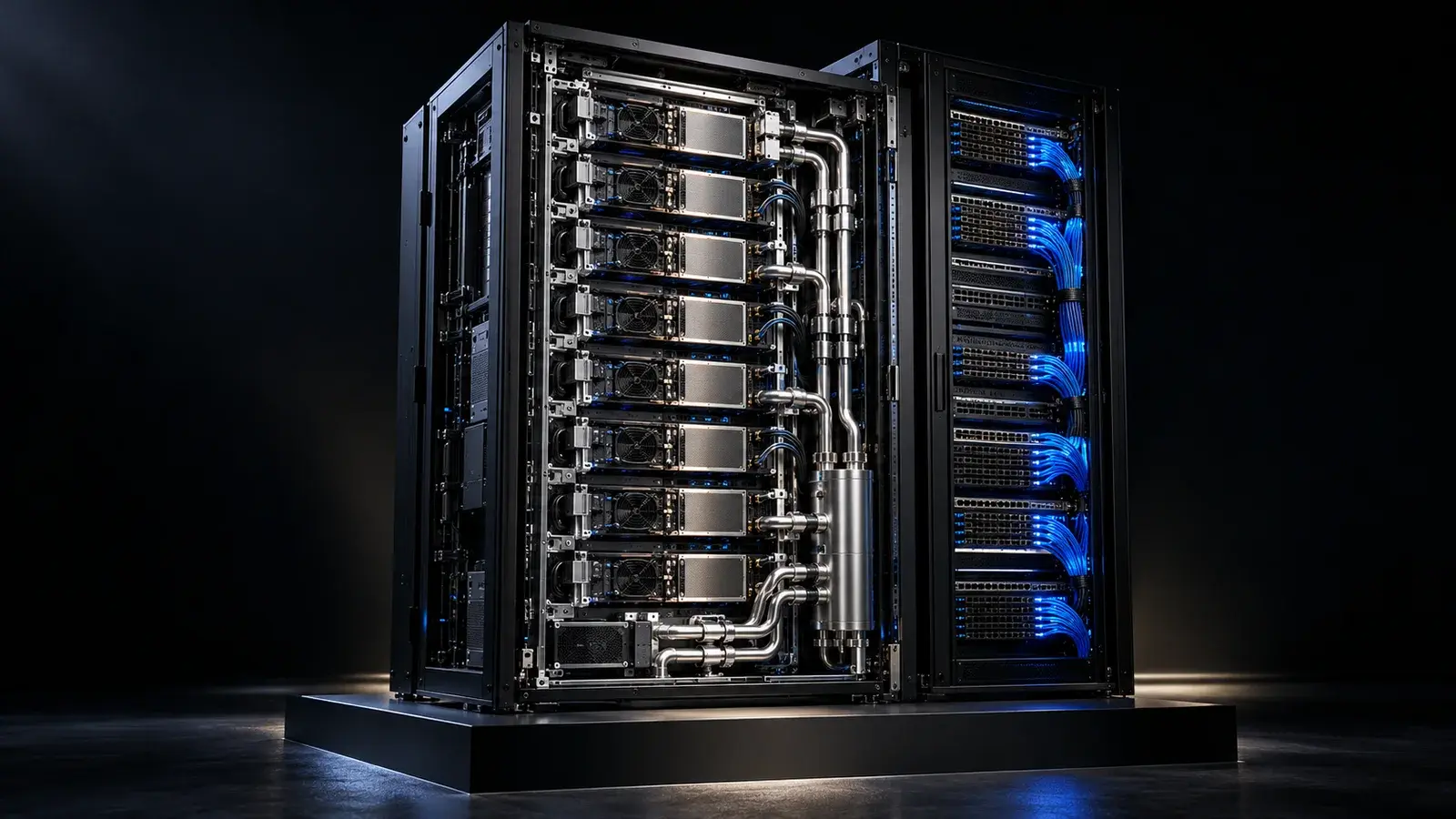 DEPLOYMENT / OWNERSHIP
- 01Managed endpoint
- 02Rent GPU compute
- 03Own a complete system
Workload sizing, procurement and total cost
How do you buy or rent GPU capacity?
Start with the workload and decide whether to use a managed model endpoint, rent GPU compute, or own a complete system. Data-center GPUs are commonly supplied in vendor-configured servers or racks. The purchase includes operational requirements, not just a processor price.
An FDE should produce a decision that procurement and operations can act on, with a pilot, measured acceptance conditions and a dated quote.
CONNECT IT TO WHAT YOU KNOW
Start with something familiar.
Compare a managed database, a rented virtual machine and an owned database server. Each can serve a similar application, but the responsibilities, commitments and cost structure differ.
A GPU-hour quote is not cost per useful result. Utilization, storage, networking, software licenses, support, power, cooling, staff and downtime all affect the decision. No price or availability in this course is a supplier offer.
Words worth knowing
- SKU
- A supplier's identifier for a particular product configuration.
- TCO
- Total cost of ownership over a stated period, including operating costs.
- Reserved capacity
- A contractual capacity commitment whose terms differ from on-demand or interruptible compute.
ONE EXAMPLE / FICTIONAL CASE
Watch the work take shape.
A fictional team needs 160 GPU-hours this month but expects growth. Compare rental and ownership with explicitly hypothetical numbers, then ask what sustained usage and operational capacity would change the answer.
DEPLOYMENT / OWNERSHIP- 01Managed endpoint
- 02Rent GPU compute
- 03Own a complete system
Specify the workload
Name model/version, request lengths, concurrency, latency target, data location and availability needs.
A testable requirement briefFROM RECOGNITION TO REASONING
Prepare a procurement decision, including a no-buy option.
- 01
Run the hypothetical rent/own comparison in the lab.
- 02
List exact hardware, power/cooling, support, software and delivery evidence still missing.
- 03
State a workload or utilization change that would reverse your recommendation.
A dated decision brief with assumptions, alternatives and acceptance conditions.
Compare your reasoning when you are ready
An estimate helps frame a pilot; it is not a purchase authorization. Short or uncertain demand may favor rental, while sustained suitable demand can change the comparison. Real quotes and operational readiness decide the case.
Keep notes in your own working copy. Moving through these cards does not record completion.
TURN THE IDEA INTO USEFUL WORK
You can now go deeper.
Buy the smallest deliverable capability that meets measured needs, with a responsible operating owner.
Academy lessons use your existing training access. Free guides stay open.